
Neutralizing Red Oak Undertones: How to Eliminate Pink and Orange Hues When Refinishing Your Floors
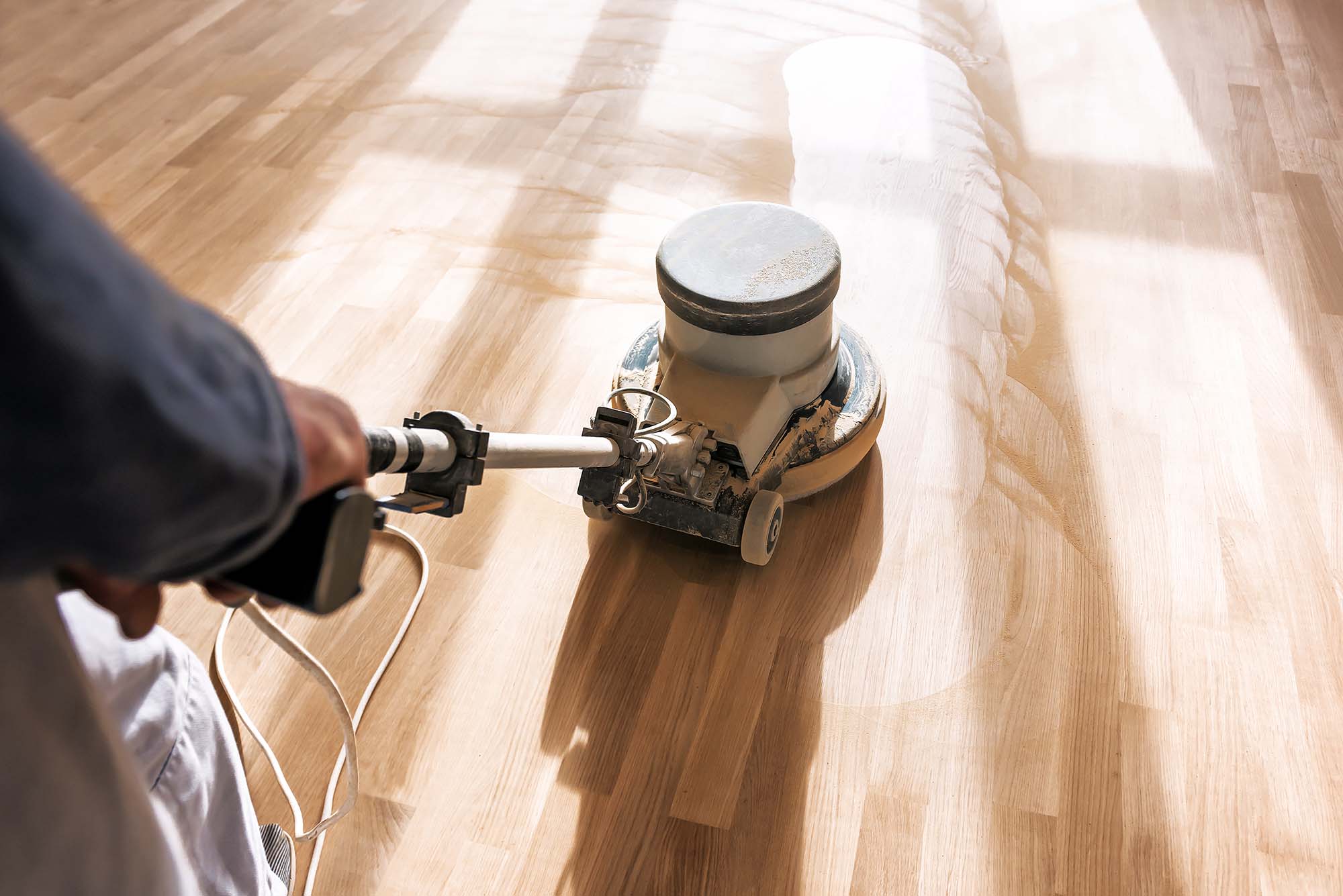
To eliminate the pink, red, and orange undertones in your red oak hardwood floors, you must neutralize the wood’s natural tannins using chemical color neutralizers, two-part wood bleaching, or green-based ash stains, followed by a non-yellowing waterborne protective finish. Traditional oil finishes naturally amber over time, turning natural salmon tones into brassy orange. By pairing targeted color correction with modern sealing techniques, our team at In and Out Flooring can transform your existing red oak into the soft, neutral, or pale European white oak aesthetic you desire.
Why Does Red Oak Turn Pink and Orange?
Red oak hardwood turns pink because of natural cellular tannins inside the wood fibers, and it turns orange when traditional oil-based polyurethanes amber over time. Understanding this dual reaction is the key to preventing unwanted brassiness in your living space.
Natural Tannins and the Salmon Wood Grain
Red oak (Quercus rubra) contains high concentrations of natural reddish pigment within its cellular structure. Unlike white oak, which carries cooler olive, gray, and brown undertones, raw red oak boards naturally display pink, salmon, and crimson tones. When we sand down the original hardwood floors in your historic Mountain Brook or Homewood home, that raw pink character becomes immediately visible across the open grain patterns. If you apply a standard clear coat or a white wash directly over this raw wood, the pink undertones bleed straight through, often creating an unintended pastel pink or pickled look.
The Ambering Effect of Traditional Oil-Based Polyurethane
For decades, oil-modified polyurethane served as the standard protective clear coat for hardwood floors. While durable, oil-based polyurethanes dry with an amber tint that deepens and yellows as the finish ages. When yellow polyurethane sits on top of natural pink wood, basic color blending takes over: yellow plus red creates a fiery, brassy orange. In sunlit living rooms across Vestavia Hills, intense Southern sunlight accelerates this chemical oxidation, turning once-subtle floors into a warm pumpkin shade that clashes with modern interior decor.
Proven Methods to Neutralize Red Oak Undertones
Eliminating unwanted warmth requires counteracting the red pigments before you apply your final protective topcoats. Here are the four most reliable, professional techniques we use to achieve a crisp, balanced wood tone.
1. Apply a Color-Neutralizing Chemical Treatment
The most dependable method for neutralizing red oak is a specialized two-step chemical treatment such as Bona Red Out. This waterborne system works by reacting directly with the tannins in red oak to bleach out the red and salmon colors without compromising the structural integrity of the wood fibers.
Unlike harsh industrial chemicals, this treatment applies evenly across raw, freshly sanded wood. Once the solution dries, your red oak visually mimics the cooler, neutral palette of white oak. This allows you to apply light browns, custom greige stains, or clear protective seals without any lingering pink warmth.
2. Bleach the Wood with a Two-Part A/B System
When you want an ultra-light Scandinavian aesthetic or your red oak boards have exceptionally deep crimson grain, our team utilizes a two-part A/B wood bleach. This system pairs sodium hydroxide (Part A) with industrial-strength hydrogen peroxide (Part B).
When mixed on the wood surface, a chemical reaction strips the organic color compounds out of the wood cells. Regular household bleach only affects surface dyes, but a true two-part wood bleach removes the natural pigment of the timber itself. After proper neutralization and thorough drying, your floor provides a crisp, bright canvas for custom tinting.
3. Use Green-Toned and Ash Stains
You can also neutralize unwanted warmth using the fundamental rules of the color wheel. Green sits directly opposite red, meaning green tones visually cancel out red hues.
If you prefer not to chemically lighten your flooring, you can choose stains formulated with subtle green, olive, or ash undertones:
- Neutral Brown Blends: Shades like Jacobean, dark walnut, or custom-blended espresso counteract red oak grain beautifully.
- Ash and Greige Tones: Stains with subtle gray-green bases cancel out pink highlights without darkening your room excessively.
- Stains to Avoid: Steer clear of stains with red, golden, or warm honey undertones, such as cherry, chestnut, or traditional golden oak, which magnify natural brassiness.
4. Finish Exclusively with Commercial Waterborne Polyurethane
Selecting the right topcoat is just as critical as choosing your stain. To keep your floors crisp and neutral for the long haul, you must avoid oil-based topcoats entirely.
Our team applies high-performance, commercial-grade waterborne polyurethane coats. Premium waterborne finishes cure completely clear and will never amber, yellow, or oxidize under UV exposure. Whether you choose an ultra-matte, satin, or semi-gloss sheen, a waterborne system locks in your chosen color profile and maintains its pristine appearance for years.
Managing Central Alabama Climate and Subfloor Realities
Achieving a flawless refinishing outcome depends heavily on what happens beneath your feet. Red oak is an open-pored, highly porous wood that expands and contracts in response to seasonal atmospheric shifts across Birmingham, AL and surrounding communities.
Controlling Subfloor Moisture and Humidity
Central Alabama experiences intense summer humidity, which can push moisture levels inside your subfloor to elevated levels. If you sand and seal your hardwood while moisture is trapped within or underneath the boards, you risk cupping, crowning, and finish adhesion failure.
Whether your home features a crawlspace in Homewood or sits on a concrete foundation in Greystone or Hoover, our team always performs rigorous moisture testing before we begin. We inspect the subfloor, diagnose settling issues, silence annoying floor squeaks, and repair any damaged structural sections so your investment remains protected over decades of foot traffic.
Dust-Conscious Sanding and Water Popping
Because red oak possesses alternating bands of soft springwood and dense summerwood, mechanical sanding can sometimes leave the wood grain compressed, leading to blotchy stain absorption. To prevent this, we perform a process called water popping.
After completing our dust-conscious sanding, we apply a measured, uniform mist of water across the bare wood. This water lifts the compressed grain and opens the cellular pores. When we apply your neutralizer or ash stain, the pigment penetrates deeply and evenly, eliminating uneven pink spots and highlighting the wood’s architectural character.
Frequently Asked Questions About Red Oak Refinishing
Can you make red oak look identical to white oak?
You can get remarkably close. While red oak retains its distinct, open flame grain pattern, treating the wood with a color neutralizer like Bona Red Out or a two-part A/B bleach removes the pink and red pigments. When finished with a non-yellowing waterborne sealer, your floor will showcase the pale, neutral, modern tones commonly associated with European white oak.
Will applying a white stain directly to red oak hide the pink tones?
No. Applying a white stain or white-tinted sealer directly over raw red oak will actually accentuate the pink tones, creating an unpleasant pastel or chalky pink look. You must first neutralize or bleach the natural tannins before applying any light or white pigments.
How do you protect refinished red oak from red clay and daily wear?
In your busy family household across Hoover or Greystone, active pets and outdoor red clay tracked inside can challenge your floors. We recommend pairing your refinished floors with durable area rugs and protective pads at major entryways. Commercial-grade waterborne polyurethanes provide exceptional scratch and chemical resistance against tracked-in Alabama red dirt.
How long does the hardwood refinishing process take?
Most hardwood refinishing projects take between three and five business days. This timeframe allows our team to perform thorough subfloor assessments, complete dust-conscious sanding, apply your chosen neutralization or stain system, and let multi-coat waterborne finishes cure properly in our local climate.
Transforming your existing red oak floors into a clean, modern masterpiece starts with craftsmanship that refuses to take shortcuts. Whether you want to revitalize original hardwood in an established home or upgrade your current living area, In and Out Flooring is here to guide you through every step of the process. Give our team a call or schedule your free, no-obligation in-home assessment today to discover what is possible for your floors across Birmingham, AL, Vestavia Hills, Mountain Brook, Hoover, Homewood, and Greystone, AL.